Marketing
Aug '25
Less is more: Understanding white space in design

Tom Bradley in Design for Print, Web Design, & Marketing

Related services
So often, when presented with a layout that includes a patch of open space, it makes for an uncomfortable, twitchy-eye moment.
“Feels like something’s missing… can we just add an extra image into that empty space, please? Or maybe make the logo bigger?”
If you’ve ever thought the same, don’t worry - you’re not alone. It feels counterintuitive, doesn’t it? You’ve paid for the space, after all - shouldn’t it be used?
Shouldn’t we maximise everything we can in this advert, billboard or above-the-fold section of your new website?
But what if that so-called “empty” space isn’t wasted... but working hard?
Let’s talk about the misunderstood magic of white space and why crowding every corner of your design is likely doing more harm than good.
Why we feel uncomfortable with 'nothing'
White space isn’t just about creating a minimal, Instagram-friendly layout. It’s not about style for style’s sake – it’s about function. It serves a purpose.
So why does empty space feel so… wrong?
One of the biggest misconceptions we see is the idea that white space is wasted space. That if you’re not filling it, you’re not doing enough. But often, the opposite is often true. Crammed designs lead to confusion and crowded layouts overwhelm.
Still, we see it all the time - websites bursting at the seams with pop-ups, banners, buttons and boxes. Print ads with five different fonts and nowhere for the eye to rest.
The truth is: clutter doesn’t sell - clarity does.
People don’t engage with what they don’t understand. White space removes the friction. It doesn’t just look nicer - it performs better. Especially online, where a single second of hesitation can cost you a conversion.
Think of white space in your design like punctuation in writing. Without it, everything becomes a big, breathless block. Harder to read and harder to engage with. Strategic white space gives the eye a break, gives the message space to breathe and makes the important stuff stand out more.
The value of white space in design
White space doesn’t mean your designer’s been lazy and it doesn’t mean that they’re holding out on you. In reality, it takes real discipline to hold back and not fill every gap. It’s about intention, not emptiness and less about what you’ve removed but what you’ve protected.
Creating a clean, minimal layout that actually works is a skill.
Here’s a better mindset:
Space = clarity
Clarity = confidence
Confidence = trust
For us, there are four key principles to consider:
1. Think of white space as a design tool - not a gap
White space isn’t what’s missing from your design - it’s what’s making it work. When used intentionally, it creates clarity, rhythm and balance.
Don’t treat it like leftover space to fill, think of it as active space that frames your content, highlights your message and makes your brand feel more confident. Like a pause in a great speech, it gives weight to what’s being said.
2. Prioritise hierarchy
A strong design knows what matters most and makes that crystal clear. That means not giving every message the same volume or importance. Can you immediately spot the main message at a glance? If not, your hierarchy might be off.
Focus on what action you want people to take or what you want them to remember first. Everything else should support it, not compete with it.
3. Allow your content space to breathe
When every inch of a layout is packed, the whole thing starts to lose impact. There’s no room for your audience to process what they’re seeing, let alone feel anything about it. White space makes your layout calmer, clearer and more digestible.
4. Use space to guide the viewer - not overwhelm
Quiet space can guide someone’s eye across the page. It creates ‘calm zones’ that allow your audience to pause, absorb and focus.
That’s especially important when it comes to things like calls-to-action. If your button or headline is crammed in among a dozen other things, it’s not going to stand out. Give it space and it becomes a focal point.
It starts with a clear strategy
Cluttered design is often a symptom, not the root problem. What usually causes it is a lack of clarity from the beginning.
If you don’t start with a clear idea of what the design is meant to achieve, you’ll end up trying to tick every box, please every person and squeeze in every message. That’s how you end up with an overcrowded layout and no clear direction.
Having a strategy in place changes this entirely. It gives you a goal or intention and all of a sudden you're designing with purpose. What’s the key message? What action do you want someone to take? What feeling should the design evoke?
When you have that clarity from the start, you can start making smart decisions about what deserves attention. It also helps with stakeholder alignment - if everyone’s agreed on the objective from the beginning, it’s easier to push back on ‘just one more thing’ requests later.
Embrace the space
Next time you look at a layout and feel tempted to add ‘just one more thing’ - pause.
What if it’s already enough?
White space signals confidence - it says, ‘this message matters’ - so give your content some air. You might be surprised by what it says when it’s finally allowed to speak.
Thanks for reading
For more news follow us @rootstudiouk
Similar posts
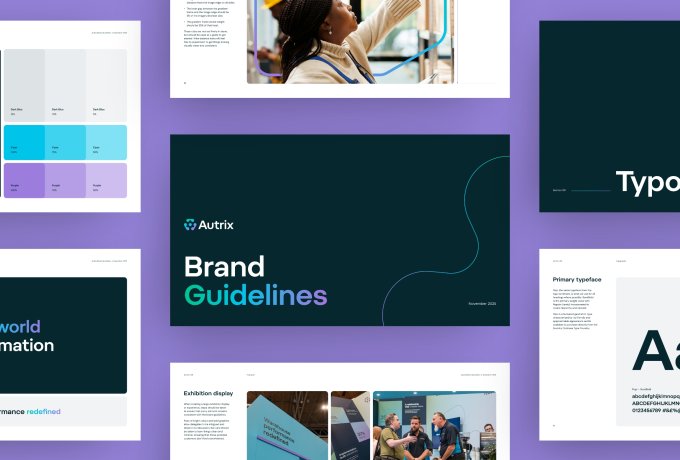
Can brand guidelines become too strict? This article looks at when rules help, when they hold a brand back and how to create space for better design decisions.

How membership organisations can make the value of membership easier to see, understand and use throughout the member journey.