Marketing
Apr '26
Nobody likes being sold to - so stop doing it!

Tom Bradley in Marketing

Related services
Have you ever walked into a shop, barely had a chance to look around and already had a sales assistant up in your face asking if you need help?
I don't know about you but it makes me feel tense! My instinct tells me to turn and run but most of the time I just smile and reply, "Just browsing, thanks!". Even if I'm genuinely looking to buy something specific, I'm much rather dig around trying to find it myself - maybe that's just the British shopper in me!
The hard sell (or overly eager sales person) more often than not leads to customers putting their guards up and entering full defensive mode. The moment we feel pushed, we're already looking for the exit.
That same feeling applies when the transaction (or window shopping) moves online or into a B2B context - if you're content's too pushy or your pop-ups smack people in the eyeballs after 0.05 seconds then it evokes that exact same feeling - 'nope!'
Hard selling is built on urgency and pressure.
It assumes the person in front of you needs convincing, not they've entered the room cold and looking for divine inspiration - that without a nudge (or a shove), they won't act.
Problem is, that assumption creates a self-fulfilling problem - the harder you push, the more likely the customer is to leave. If people catch a whiff that they're being manipulated instead of motivated then that's a big problem.
For a lot of businesses this tone of voice is just the default - it feels actionable and feels like they're pushing their audience to do something NOW and that feels like a solid marketing strategy - certainly solid enough to convince the boss that you're doing everything within your power to pull in those leads. In reality, it could be doing more harm than good.
Did you know, there's a quieter, smarter way?
Allow me to introduce pre-selling - a softer approach that flips the whole thing on its head.
Instead of convincing someone at the point of sale, you've already done the work long before they get there. Your content, your positioning, your reputation - all of it has been quietly doing the hard work of building trust, answering questions and demonstrating value in the background. So much so, that by the time someone lands on your website, sends that email or picks up the phone, they're not on the fence - they've already decided.
With pre-selling, your sales process doesn't need to push - it just needs to confirm what they already believe. We're not forcing someone to walk the plank into the unknown, we want them to dive in of their own accord to join their friends.
That shift from persuasion to confirmation changes the whole vibe of the transaction. The conversation now feels easier, more natural and a lot less like hard work for everyone involved.
What pre-selling looks like in practice
This isn't a single one-time tactic - it's a mindset that runs through everything you put out into the world. We've created a rough breakdown of where to start:
Get clear on your positioning
If people aren't sure what you do, who you do it for and why you're the right choice, no amount of clever selling will fix that. Getting that story straight and making sure it's speaking to the right people is where everything else begins.
A good starting point is a simple workshop with your team. You don't need anything fancy - just a few focused questions to work through together.
Who is your ideal client?
What problem do you solve for them?
Why you and not someone else?
If you can answer those three things clearly and consistently, you're already ahead of most businesses.
It's also worth writing your answers down in one place (even just a single page that everyone in your business can refer back to) - so that whether it's you, a team member or a piece of marketing material doing the talking - the story stays the same.
Create content that answers real questions
Think about the questions your ideal clients are asking before they're ready to buy.
What are they unsure about?
What do they need to understand first?
Sit down and write out every question a potential client has ever asked you - before, during and after a project. That list is your content plan. Each question is a blog post, a social post or a short video waiting to happen.
Remember, you're not selling at this point, you're just being useful.
Let your work do the talking
Case studies, testimonials and portfolio pieces aren't just nice-to-haves - they're a really powerful pre-selling tool. Show the results you've achieved and let other people's words build your case.
The key is making case studies genuinely useful rather than just a showcase. Structure them around a story:
What was the problem
What did you do and what changed as a result? (If you can include specific outcomes, even better).
To build up a bank of testimonials - don't just wait and hope clients leave a review - after each successful project/delivery, drop them a friendly message and ask if they'd be happy to share a few words about their experience. Most people are glad to help when they've had a good time working with you.
Show up consistently
Pre-selling is a long game. You need to show up regularly enough that when someone is ready, you're already a familiar face. Familiarity builds trust and trust is what makes the sale feel easy.
The simplest way to stay consistent is to pick one or two channels that work for your audience and commit to them rather than spreading yourself thin across every platform.
A monthly email newsletter, a weekly LinkedIn post or a regular blog - whatever suits you - is far more valuable than a burst of activity followed by months of silence.
If you find it hard to stay on top of, try batching your content. Set aside a few hours once a month to plan and write everything in one go rather than trying to think of something new every week.
Your sales materials are the icing on the cake
A proposal, a brochure or a sales deck should feel like a natural conclusion - a tidy summary of everything the client already senses about you. If your materials are having to do all the heavy lifting, something earlier in the process needs work.
Take a step back and audit what you currently send to potential clients. Does it feel like it's written for someone who already trusts you or does it read like it's trying to convince a stranger? If it's the latter, think about what information or reassurance people might be missing before they get to that point.
The best purchase is the one that feels obvious
When pre-selling is working, conversations with potential clients feel less like cold pitches and more like planning sessions. They're not deciding whether to work with you - they're working out how.
That should be the goal. Not to chase people down or pressure them into a decision but to make working with you feel like the most natural next step.
If you'd like to think through how this could work for your business, we're always happy to have that conversation. Remember: the sale rarely starts where you think it does.
Thanks for reading
For more news follow us @rootstudiouk
Similar posts
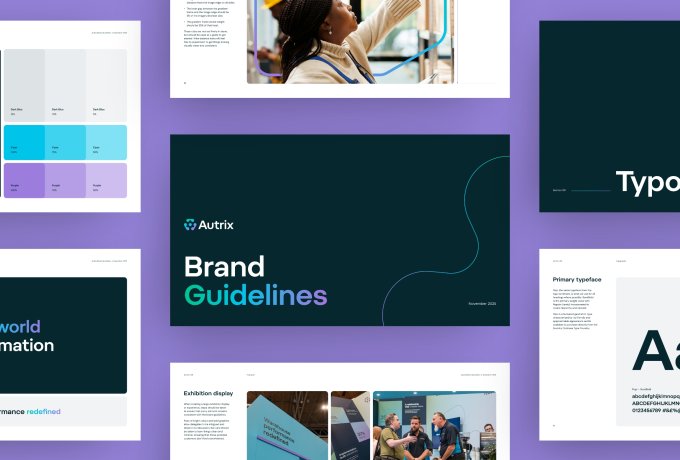
Can brand guidelines become too strict? This article looks at when rules help, when they hold a brand back and how to create space for better design decisions.

How membership organisations can make the value of membership easier to see, understand and use throughout the member journey.